Tag

Beer, Wine and Spirits. Tastings and Travel. News and Events. Classic Flavors from Breweries, Wineries and Distilleries Across the Drinks World.

Showing posts with label Syrah. Show all posts

Monday, September 27, 2010

Day 270 Drink: Klinker Brick Lodi Farrah Syrah 2007


Steve and Lori Felten are fifth generation grape growers in California's Lodi region. The family has gown many things on the land over the decades, including watermelons. For years grapes grown on the estate were shipped around the country for use by home winemakers.

Klinker Brick Lodi Farrah Syrah 2007 displays rich plum and a hint of cigar smoke in the aroma. The wine has a good cedar base with berries, dark skin fruit and a smooth range of tannins.

Sunday, August 29, 2010

Day 241 Drink: Jelly Roll 2007 Syrah


Jelly Roll Syrah is a blend of grapes from two California Central Coast vineyards, Larner and Stolpman.

Santa Ynez Valley home of the two vineyards is located in Santa Barbara County. The valley is formed by San Rafael Mountains to the north and Santa Ynez Mountains to the south.

Jelly Roll 2007 Syrah is a dark purple color and has a nose of dark stone fruits upfront. The flavor is full bodied with black berries, plums and a moderate level of tannins. The wine has a silky mouthfeel, with a finish that has some spice.

Monday, June 07, 2010

Day 158 Drink: Cono Sur 20 Barrels 2008 Syrah


Cono Sur Vineyards & Winery was founded in 1993 in Chile with the Andes Mountains to the east, the Pacific Ocean to the west, the Atacama Desert to the north and ancient glaciers to the south. The winery has been promoting organic production among Chilean vineyards.

Cono Sur added the Syrah to its range as a limited edition bottling. The wine is made from new vines planted in the LimarĂ­ Valley, not far from the Pacific Ocean.

Cono Sur 20 Barrels 2008 Syrah pours a red-purple and has a berry nose. The wine has a slight spice edge with round fruit notes, primarily dominated by plums. Not too big of a wine, but a smooth drink.

Thursday, January 07, 2010

Day 7 Drink: Post Road 2006 Penny Black


Post House Vineyard is located along South Africa's False Bay coast in the Stellenbosch region. The first experimental batches of wine were made on the estate in 1996 and it began commercial production a couple of years later.

The winery gets its name from a post office that was once on the property and Penny Black is named for the first stamp printed in the world.

Post Road 2006 Penny Black is a rich purple-black blend of Shiraz, Merlot, Cabernet Sauvignon and Petite Verdot. The wine has a light, fresh nose and the first taste offers hints of fig, light tannins and a good hit of pepper. Good and firm, but not too heavy.

Tuesday, October 21, 2008

Tuesday Tasting: A Case of Shiraz and Syrah


Tuesday Tasting is a regular feature of Lyke2Drink that explores some of the best beers, wines and spirits on the market. This week we taste a dozen Syrah and Shiraz wines.

Syrah or Shiraz is a bit of a mystery to some wine drinkers. After all, it is the same grape, but produces wines that go by two names. There is another grape called Petite Sirah, that is a cousin, but not the same grape -- which adds to the mystery.

Where the wine comes from helps determine what the wine is called. If it is from France, it is syrah. Winemakers in South America and the rest of Europe will also use syrah on the label. If it is from Australia, you are drinking shiraz, mate. Shiraz is the most popular grape for winemaking in Australia and vineyards in South Africa and New Zealand are likely to use the shiraz name on their labels, too. In California, you could be drinking either – it depends on the winery. Most of the rest of the U.S. appears happy to side with the French and use syrah.

I recently tasted these wines for my Beyond Beer column appearing in the current edition of All About Beer magazine.

Ty Caton 2004 Field Blend: A mix of petite sirah, syrah, cabernet sauvignon, merlot and malbec grapes, this is an affordable luxury with great meritage blended quality that hits all of the Sonoma red flavor characteristics of a more expensive wine.

Clos Du Bois 2005 North Coast Shiraz: This California red has an inviting nose. The coating blackberry flavor has a light spice finish.

D’Arenberg 2002 Vintage Fortified Shiraz: A thick and syrupy Port-style wine, this dessert treat is from South Australia. Very deep purple color, good berry character and a touch of cocoa flavor.

Fetzer Valley Oaks 2005 Shiraz: There is a touch of oak and spice throughout this wine. Plum skins and ripe berries mingle to create an inviting flavor.

Hall 2005 Darwin: This Napa Valley wine is a symphony of rich flavors. A blend of 80 percent syrah grapes with 20 percent cabernet sauvignon. Lush and smooth, very intense fruit that lingers. Starts with a hint of fig and finishes with a wisp of chocolate. Fire up the grill and cook a thick steak.

Terry Hoage Vineyards 2005 The Hedge Syrah: A former Georgia Bulldog football star, Terry Hoage makes wine in Paso Robles, Calif. This deep red 100 percent Syrah wine is rich and round. Plenty of berries, black cherries with a touch of cigar-like tannins.

Jaboulet 2006 Parallele 45: This Cotes du Rhone red has a nice amount of tannins and some peppery spice. Nice light berry nose.

Loxton 2004 Sonoma Syrah: This wine spends 20 months on oak and produces a bold, fruit forward red that delivers a long pleasant flavor profile.

Virgin Vines 2006 Shiraz: This California wine is ruby red with a cassis nose and dried berry flavor that finishes with just a hint of spice.

Wakefield 2005 Promised Land: This Australian wine is 60 percent shiraz and 40 percent cabernet sauvignon. Ripe blackberry nose, straightforward fruit flavor that is rounded out with a hint of cinnamon, spice and oak.

Wyndham Bin 555 Shiraz: This southeast Australian wine is rich and smooth with hints of plum, blueberry jam and a touch of finishing spice.

Wyndham Shaw Reserve 2004 Shiraz: Rich, dry red. There is a moderate amount of oak throughout that balances a solid level of rich, tart fruit.

Tuesday, November 20, 2007

Tuesday Tasting: California Wine Round Up


Tuesday Tasting is a regular feature of Lyke2Drink that explores some of the best beers, wines and spirits on the market. This week we conclude the reports on our recent visit to California wine country with a round up of some of the wines we enjoyed.

Visiting San Francisco and California wine country was an eye opening and taste bud stretching experience. It was a celebratory trip marking our 25th wedding anniversary and served as a reminder to me of how blessed I am to have Sandy as my wife, partner in good times and bad, and constant source of encouragement. The blog entries for the last few days have documented some of the winery visits that we made, but we made many more stops and experienced more than just wine along the way.

Many people heading to Napa and Sonoma look forward to staying in one of the many inns or bed and breakfasts operating among the wineries. We tend to be more traditional hotel folks and found two excellent places that we would happily return to on future visits. The Meritage in Napa and Fairmont Sonoma Mission Inn both sit at the southern ends of the two major wine regions.

Our dining during the trip tended to be more on the casual side and Taylor's Refreshers in St. Helena served up one of the best burgers I've had in sometime. The lunch and dinner served at the winery by the folks at Pietra Santa was wonderful. And we had a spectacular fresh seafood feast at Scoma's on Fisherman's Wharf in San Francisco (Pier 47 at the foot of Jones).

We got to see plenty of beautiful vistas driving around wine country and stumbles across some things that make it a unique place -- from the Napa Valley Wine Train to the ghost house on the grounds of the San Saba Vineyards to the walnut farmer in Sonoma selling grocery bags full of nuts for $15 just up a dirt lane from an old Studebaker pick up truck. The amazing size and scope of California agriculture is incredible and seeing workers in the fields reminded me of how many people we count on to get food on our tables.

Then there was the wine. Here are a few Tuesday Tasting recommendations:

B.R. Cohn 2004 Olive Hill Estate Sonoma Cabernet Sauvignon: When Bruce Cohn isn’t busy booking the next Doobie Brothers gig he’s making wine. This red is a rich combination of plumb, cherry, oak and spice. Perfect for a great steak or a chocolate dessert.

B.R. Cohn 2006 Carneros Chardonnay: Oak and butter nose with nice vanilla and warm oak flavor notes.

Ty Caton 2004 Estate Tytanium: A full flavored Bordeaux style red from a young winery that is 33 percent cabernet sauvignon, 24 percent syrah, 29 percent petite sirah and 14 percent merlot. Plum, cocoa and oak.

Ty Caton 2004 Field Blend: At Opus One they sell a brand called Overture exclusively at the winery that is a great wine at a much lower price than the flagship brand. It is basically juice left over after the winemaker has built the signature blend. Caton's answer is his Field Blend, a mix of petite sirah, syrah, cabernet sauvignon, merlot and malbec grapes. This is an affordable luxury with great meritage blended quality that hits appealing flavor characteristics.

Conn Creek 2004 Anthology: This wine is 68 percent cabernet sauvignon, 19 percent cabernet franc, 6 percent merlot, 5 percent malbec and 2 percent petit verdot. The wine delivers a smooth blackberry base that will likely evolve over the next several years.

Duckhorn 2004 Estate Cabernet Sauvignon: Thick burgundy red color, with spice and ripe dark cherry flavors. A long finishing cabernet perfect for a great meal.

Duckhorn 2005 Decoy Napa Valley Red: One of the great values along the Silverado Trail, this Bordeaux blend is made from the juice that does not find its way into the other Duckhorn wines. It spends 16 months on French oak. Solid ripe fruit and oak nose, with a dry and spicy character.

Loxton 2004 Sonoma Syrah: This wine spends 20 months on oak and produces a bold, fruit forward red that delivers a long pleasant flavor profile.

Loxton 2006 Parmelee Hill Vineyard Chardonny: Barrel fermented in twice used oak, this wine has a nice green apple fruit presence in a creamy and mellow oak flavor profile.

Sapphire Hill 2006 VLH Late Harvest Zinfandel: Banana and pineapple nose, with a good sweet start that is balanced and not cloying.

V. Sattui 2005 Quaglia Vineyard Zinfandel: Deep purple color with tart cherry dominant flavor and a subtle background peppery spice.

San Saba 2005 Late Harvest Sauvignon Blanc: With 15.1 percent residual sugar you might expect this to taste like sugar water, but in reality a solid level of acidity makes this a fairly balanced dessert wine that has great honey and floral notes.

Trefethen 2004 Double T Red: A blend of classic Bordeaux grapes, this wine is lively and fruity. Perhaps not the red you would order for a Saturday night steak dinner, but a perfect mid-week wine to go with pasta or pizza.

Trefethen 2006 Dry Riesling: A good crisp dry riesling. The crack of acidity at the start opens to a nice grapefruit and honeysuckle flavor profile.

Wellington 2004 Victory Reserve: A thick red blend of 60 percent cabernet sauvignon, 25 percent Cabernet Franc and 15 percent merlot. Plenty of tannins and fruit. A good steak awaits.

Wellington The Duke V: A non-vintage blend of 60 percent merlot, 20 percent cabernet and 20 percent zinfandel sold only at the winery at an incredible price. A solid Sonoma red that is assertive, yet finishes with a smooth touch.

Sunday, December 10, 2006

Looking for Low Cost Holiday Party Wine? AOL Offers Five Picks


If you have ever been faced with managing an office holiday celebration or finding some affordable gifts for a bunch of people, you know the challenge when it comes to selecting a wine. You don't want to see people react to bottles of Sutter Home, but you also have to live within a budget.

Finding a good wine under $20 a bottle is not that difficult. Hundreds, perhaps thousands, can be found on the market. But what if the challenge is to find something under $10? The international wine glut is pushing prices downward, but my experience with sub $10 a bottle wine is that you better have tasted it before you decide it is good enough for guests and friends. I don't mind if someone knows I bought a bargain wine, as long as they think that I'm a pretty good shopper and came up with a great value that tastes pretty good, too.

The folks at AOL recently took on the challenge of recommending five wines under $6. They offered up Trader Joe's Coastal Cabernet Sauvignon, Amaicha Torrontes, Banrock Station Shiraz, Barefoot California Merlot and Barefoot Chardonnay. You can see information on each of the AOL picks at http://cooking.aol.com/food/best-cheap-wines.

Tuesday, September 26, 2006

Tuesday Tasting: Three Smooth Reds from Out West


Tuesday Tasting is a regular feature of Lyke2Drink that explores some of the best beers, wines and spirits on the market. This week we head out west to sample three very smooth and moderately priced red wines.

One of the great things about writing about beer, wine and spirits is that I always have an excuse to try new products. I'm again thankful for this fact because I recently had the chance on three different occasions to try domestic reds that were flavorful, smooth and affordable. Whenever I feel like wine prices are getting a bit out of hand I run across wines like these and I'm reminded that you can drink some great wine without breaking the bank.

Sawtooth Winery 2002 Syrah: From Idaho's Snake River Valley, this wine was aged for 17 months in French oak barrels and comes out exceptionally smooth with deep plum flavors. The winemaker used 96 percent Syrah grapes, 2 percent gin sault, 1 percent mourvedre and 1 percent grenache to build the flavor profile. This is the perfect wine for the perfect steak.

Mankas Hills Vineyards 2004 Amelie: From the Suisun Valley in California, this wine is a blend of 75 percent cabernet sauvignon and 25 percent merlot. Aged for 12 months in French, European and American oak, 1,000 cases were produced. There are a ton of black berries and plums in the flavor profile, which lingers pleasantly. Perfect for sipping on a deck during a crisp Fall evening.

Dominican Oaks 2003 Cabernet Sauvignon: Want a really good Napa Valley cabernet sauvignon for around $15? I suggest you give this one a try. Produced by Rutherford Wine Co., which also makes the Rutherford Ranch and Round Hill labels, this wine is full bodied and rich. This is an excellent choice if you are hosting an event and want your wine to have a Napa pedigree without feeling like you have just purchased the winery.

Thursday, September 07, 2006

California State Fair Wine Awards


The California State Fair, which wrapped up earlier this week, honored winemaking with the largest awards competition in the state -- attracting 2,926 entries from 653 wineries. Judges, including wine educators, wine makers, journalists, restaurateurs, retailers, wholesalers and wine collectors, sifted through all of the entries naming V. Sattui Winery of St. Helena as Winery of the Year.

It is the second time in three years that the Napa Valley winery has earned the honor. Even though V. Sattui has been around since 1885, it is a small winery that does all of its sales at the winery tasting room, by mail order and from the company’s website (www.vsattui.com).

Other top award winners at the California State Fair include:

Buena Vista 2004 Syrah, Best of Show Red Wine
Fetzer Vineyards 2005 Gewurztraminer, Best of Show White Wine
St. Amant Winery 2003 Amador County Vintage, Best of Show Dessert Wine
Fetzer Vineyards 2005 Gewurztraminer Valley Oaks, Best Value

Saturday, September 02, 2006

Oregon State Fair Wine Awards Announced


The results of the Oregon State Fair Wine Competition were announced last week. A total of 68 vintners out of Oregon’s 350 commercial wineries entered 273 individual wines in 49 different varietal categories.

The judges handed out nine golds 48 silver and 110 bronze awards. The gold winners were:

Airlie 2003 White Riesling -- Willamette Valley (Best of Show and Best of Classification)

Chateau Lorane 2004 Viognier, Oregon

Vitis Ridge 2005 Early Muscat, Oregon

Vitis Ridge 2004 Pinot Noir, Oregon (Best of Classification)

Winter's Hill Vineyard 2004 Pinot Noir, Dundee Hills

Griffin Creek 2002 Syrah, Rogue Valley, Southern Oregon

Chateau Lorane 2003 Syrah, Rogue Valley

Zerba Cellars 2004 Syrah, Columbia Valley (Best of Classification)

Eola Hills Vin d'Or 2004 Sauvignon Blanc Late Harvest, Oregon (Best of Classification)

Tuesday, August 15, 2006

Tuesday Tasting: Reds from the Southern Hemisphere


Tuesday Tasting is a regular feature of Lyke2Drink that explores some of the best beers, wines and spirits on the market. This week we're taking a tour of red wines from south of the Equator.

Not long ago any serious discussion of red wine started and ended in one of four places: France, Italy, Spain or California. The wine world is pretty traditional in its thinking and no other producers were giving real cause for a change in the accepted wisdom.

That was then, this is now. A number of circumstances came together to leave a crack in the door and vineyards from other regions and they exploited the opportunity. Vineyards located south of the Equator are perhaps the most successful in crashing the party with shiraz, merlot, cabernet sauvignon, malbec and other reds that offer exciting alternatives. Wineries principally from five Southern Hemisphere countries -- Australia, Chile, South Africa, New Zealand and Argentina – have the traditional producers scrambling to try to match quality and price.

What changed to rock the world of red wines? Like most major market changes, it was no single event. A grape shortage in California in the 1990s created an opportunity for Australians to help consumers discover that good red wine need not cost $40 a bottle. Chilean vintners soon would prove it need not cost $15 a bottle. About the time this lesson was soaking in, media reports surfaced of thousands of bottles of fake Italian Chianti and French Burgundy being discovered on the market, casting doubt in the minds of some consumers about the authenticity of what they had been drinking. The French made their situation more difficult when they stumbled politically in dealing with America. The U.S. Dollar faded against the Euro during the last few years, making price an issue for the higher end French and Italian labels. Then grape harvests in several of the major red wine regions reached near record levels, resulting in gluts in the market. The Australian wine surplus has consumers in that country feasting on $2 bottles of wine at the moment.

No longer does anyone question a bottle of Australian red wine brought to a dinner party. Consumers find adventure in trying a red from South African, a country that not long ago was virtually banned as a trading partner with the U.S. Southern Hemisphere winemakers have uncovered four keys that are helping them gain market share: value pricing that encourages trial; availability of popular varietals, such as merlot and shiraz; easy to understand labels; and good wine that matches what the casual wine drinker is looking for in a red.

Simply put, for a large chunk of American wine consuming public it is easier, cheaper and more enjoyable to drink an Australian wine than a French wine. They don’t need to try to figure out the mysteries of the Bordeaux, Burgundy or some other appellation. The labels don’t require experience with French pronunciations. If they are looking for a merlot, it says so on the label. For most entry to mid-level wines, they will likely pay less for a wine of similar quality. And, many experts argue the wine is closer to what the typical American palate wants in a wine experience. Besides, Australians are viewed as fun. The French? Well, they’re French.

Here's a quick tour around the Southern Hemisphere wine world:

Argentina: The wine industry in Argentina has been primarily focused on domestic and South American markets, so it can be hard to find an Argentine wine in the U.S. Most people are surprised to learn that Argentina out produces Chile and is fairly close to the U.S. in total output of wine. The first grapes were planted by Spanish settlers in the mid-1500s. Investment in the industry during the 1990s has pointed vineyards in the direction of internationally favored grape varieties. The results so far include some interesting blends, such as Cabernet Sauvignon-Malbec-Merlot. Wine to try: Argento Malbec or Cantena Cabernet Sauvignon.

Australia: The first vines were brought to Australia in 1788. Several waves of European immigrants brought more vines and wine making experience. Equally important is that during the last several decades Australians have heavily invested in winemaking infrastructure and now rank among the most modern of any wine producing country worldwide. The technology, facilities and automation, coupled with some the best growing conditions on the planet, have meant abundant crops and quality wines. Tax incentives have caused over production and price cutting, which favors the consumer for the moment. Reds from the Barossa Valley are among the world’s best. Shiraz, an old world grape called Syrah in Europe, is Australia’s signature. Cabernet Sauvignon and Merlot also do well down under. Wine to try: There are plenty of fine Australian reds, so it is difficult to go wrong. A good bet is one of the reds from Penfolds, which can range from the affordable to the pricey. Each is worth what you will pay for them.

Chile: Grapes were first planted in Chile by Spanish missionaries in the 1500s. No one is sure how much of the production went towards sacramental wines and how much was for general consumption, but centuries would pass before the next big evolution in Chilean wine. In the 1800s wealthy landowners began importing French vines and French winemakers. When phylloxera and other disease wiped out vines in Europe, Chile’s vineyards were not harmed. Political difficulties during much of the last century slowed the emergence of Chile as a wine producing powerhouse, but foreign investment arrived to bolster wine making in the country. Chile is recognized as a value wine producing region, but prices for some labels have been on the rise as the reputation for quality grows. Cabernet Sauvignon, Merlot, Pinot Noir and Carmenere are the reds to look for from Chile. Wine to try: Santa Ema Reserve Merlot says quite a bit about the quality wine being produced in Chile in a package priced around $10.

New Zealand: The first vineyard on New Zealand was established in 1835. It was not until the 1980s that New Zealand started to get noticed on the international scene and mostly for Sauvignon Blanc and other whites. About 75 percent of New Zealand’s wines are white, but Pinot Noir, along with Merlot and Cabernet Sauvignon, from New Zealand are worth trying. The Hawkes Bay, Otago and Malborough areas show the best promise for reds. Wine to try: Felton Road Pinot Noir is a very fine red wine.

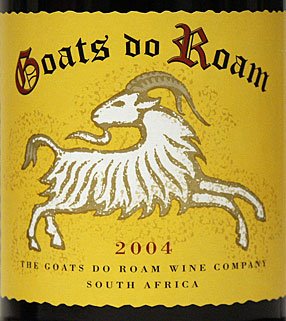
South Africa: The vineyards in this country were first established in the 1600s, but went through significant development under the British during the 1800s because wars made Continental wines difficult to import to the United Kingdom. Ignore for much of the last century, South African vintners did their own thing. In addition to Cabernet Sauvignon, Pinot Noir and Merlot, South Africa produces the Pinotage, a blend of the Pinot Noir and Cinsault grapes. Wine to try: Goats do Roam, a tongue in cheek poke at the French Rhone reds, is a very affordable blend of pinotage, shiraz, cinsault, grenache and carignan. For a little more, try Warwick Estate Three Cape Ladies, a blend of cabernet sauvignon, merlot and pinotage.